
Australian consumers are making purchasing decisions that reflect their values as much as their budgets. For retailers and brands, responding to this shift with genuine commitment rather than surface-level gestures has moved from a reputational consideration to a commercial imperative.
Sustainability has become a structural feature of the Australian retail landscape rather than a niche category trend. Consumer research consistently shows that Australians, particularly younger shoppers, factor environmental and ethical considerations into their purchasing decisions across a wide range of categories, from food and beverage to personal care, home products, and apparel.
According to Polly Yule, Managing Director at CROSSMARK, retailers that approach sustainability as a compliance exercise rather than a genuine brand position are missing what is increasingly a meaningful driver of loyalty and category growth. “The retailers and brands seeing real traction are those that have made sustainability a coherent part of their offer, visible across their ranging, their packaging, and their in-store communication.”
Reducing plastic and packaging waste
Plastic reduction has been the most visible dimension of retail sustainability in recent years. State-level bans on single-use plastics have accelerated a shift that was already underway, and consumers have largely responded positively. Retailers that have moved quickly to provide sustainable alternatives and communicate the change clearly have found that the transition, while operationally complex, tends to strengthen rather than damage customer relationships.
Beyond bags and straws, attention is now shifting to broader packaging formats. Brands that are ahead of the curve on lighter, recyclable, or refillable packaging are finding that this becomes an active selling point, particularly in natural and health food categories where the shopper profile skews strongly towards sustainability-conscious consumers.
Ethical sourcing is becoming table stakes
Transparency about where products come from, how they are produced, and what conditions workers in the supply chain operate under has moved from a premium positioning strategy to a baseline expectation for many Australian shoppers. This is particularly pronounced in food categories, where provenance and production method increasingly influence purchase decisions at the shelf.
Major Australian retailers have published increasingly detailed responsible sourcing frameworks, and suppliers are facing greater scrutiny around compliance with these standards. Brands that can demonstrate genuine supply chain integrity, backed by credible certification, are better positioned to secure and maintain shelf space as these requirements tighten.
Energy and operations
Behind the scenes, retailers have been making substantial investments in energy efficiency across their store networks. LED lighting, refrigeration management systems, solar generation, and climate control improvements have become standard components of major retailers’ sustainability programmes. For retail landlords and centre operators, green credentials have also become a more prominent consideration in leasing decisions.
Reducing food waste
Food waste has emerged as one of the most actively managed sustainability issues in Australian grocery retail. Major supermarkets and independent operators alike have implemented programmes to reduce the volume of edible food going to landfill, including partnerships with redistribution organisations, dynamic markdown strategies for short-dated products, and investment in better demand forecasting to reduce over-ordering at store level.
The field marketing dimension
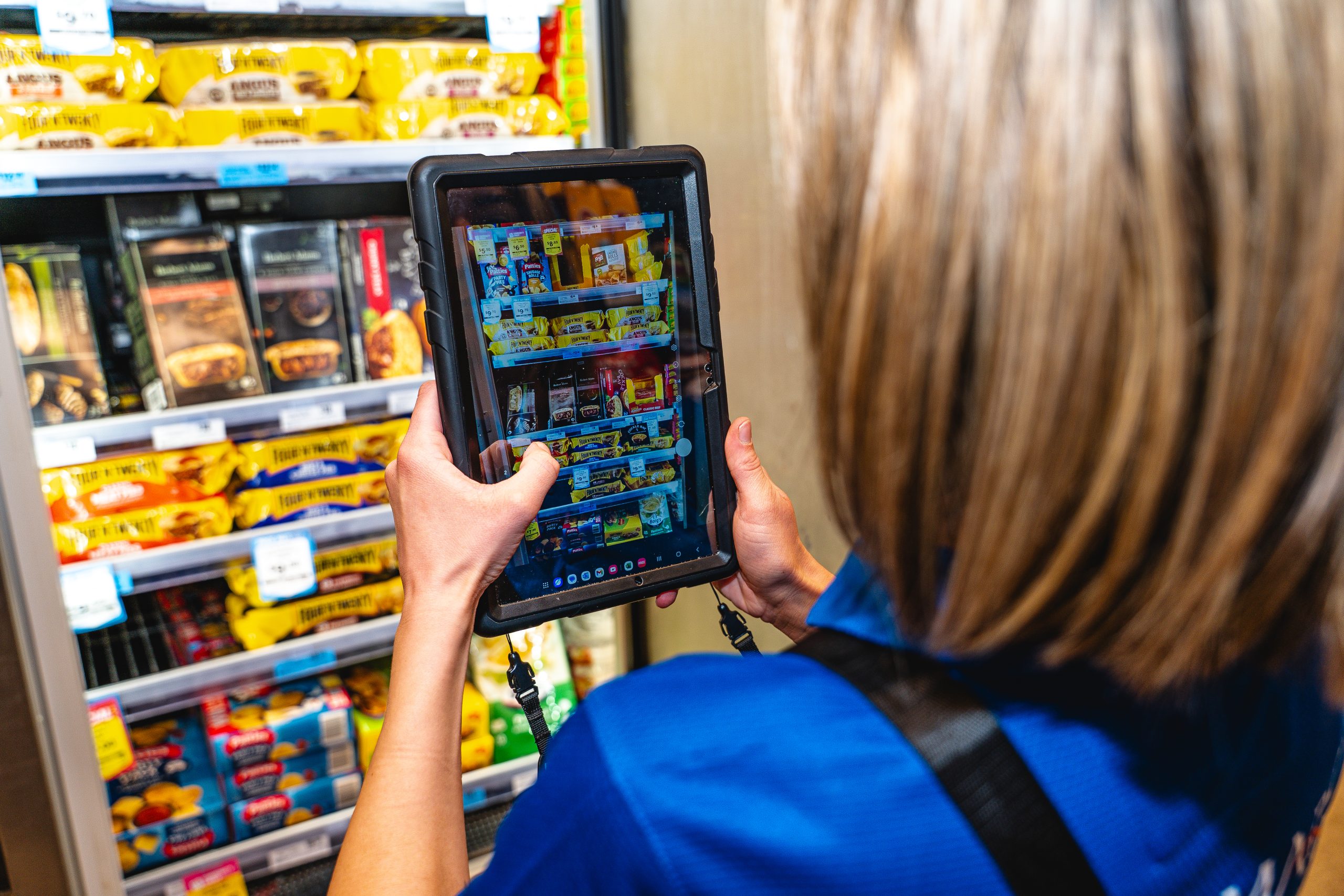
Becky Schrederis, Business Manager at CROSSMARK, notes that sustainability trends have a direct bearing on how brands should approach their in-store presence. “Ranging changes driven by sustainability commitments, new packaging formats, and shifting category adjacencies all create complexity at the shelf that field teams need to stay on top of. Brands that invest in keeping their in-store execution current with these changes protect their sales and reinforce the credibility of their sustainability positioning.”
As Australian retailers continue to raise the bar on sustainability expectations, the brands best positioned to grow are those treating these shifts as commercial opportunities rather than compliance burdens.