Australian shoppers are heading into 2026 with a sharper sense of what is worth their money.
Cost-of-living pressure has not stopped people shopping, but it has changed how they make decisions. A trip to the store now carries a higher bar. Shoppers are comparing more, questioning more and looking for clearer reasons to buy. Price matters, but so does confidence: confidence that the product is right, the offer is fair and the trip was worth the time.
That puts more pressure on the store experience. Physical retail still gives shoppers something online cannot fully replicate. They can see the product, compare options, ask questions, try something new and make a decision on the spot. In 2026, those moments will need to be easier, clearer and better executed.
AI will influence the trip before shoppers reach the store
AI will play a larger role in retail, but much of it will sit in the background.
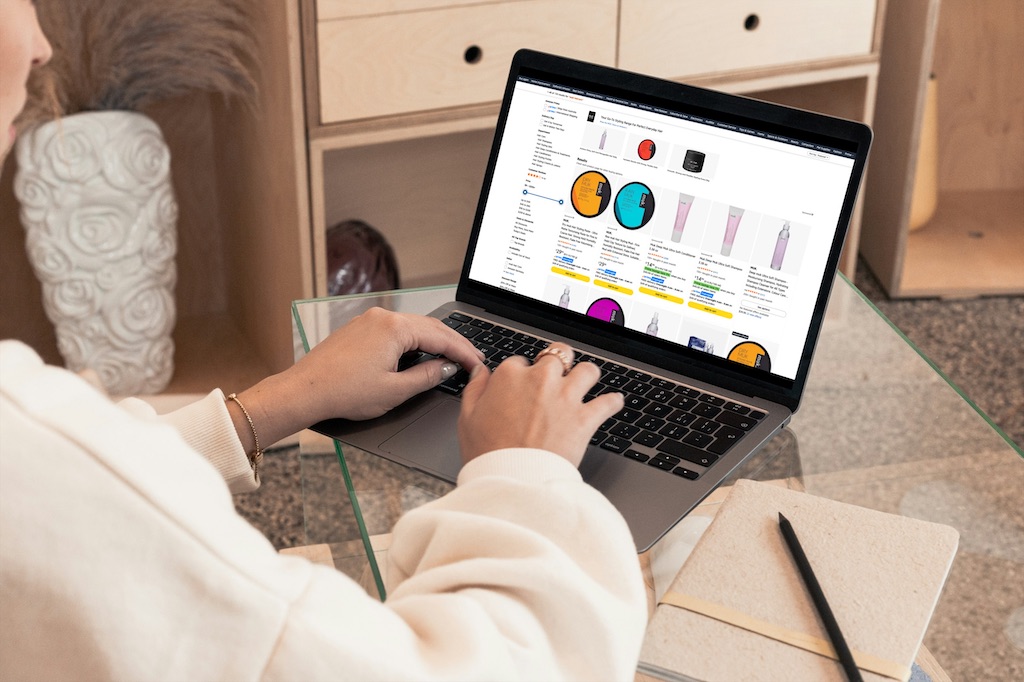
More shoppers will use AI-enabled search, recommendations, shopping lists, comparison tools and personalised content before they enter a store. In some cases, the store will no longer be the starting point for the decision. It will be where the shopper checks whether the choice they have already formed still makes sense.
That changes what the shelf needs to do. If a shopper has seen a product recommended online, they expect to find it quickly. If they have compared features, prices or reviews before arriving, the in-store message needs to reinforce what they already know. If the product is missing, hard to locate or poorly presented, the sale can unravel quickly.
This is already starting to show up in behaviour – 1 in 3 Australians are using AI for shopping tasks such as choosing outfits, planning meals and discovering new brands.
For brands, the gap between digital influence and in-store execution needs to close. For retailers, the challenge is to serve shoppers who arrive better informed, but often with less patience for friction.
Retail media will move further into the store
Retail media has become a serious investment channel, and in 2026 shoppers will notice more of it in-store.
Retailers are using loyalty data, store networks and supplier partnerships to create new media opportunities for brands. Done well, this can help shoppers make decisions closer to the point of purchase. Done poorly, it adds clutter.
The difference will come down to relevance and execution. A screen near the category can help explain a product. A display in the right location can prompt trial. A branded bay can make a range easier to navigate. Sampling can turn interest into a purchase when the product needs to be experienced.
Coles and Woolworths have both continued to expand their physical retail media presence. Coles 360 has rolled out digital screens to almost 300 stores, and Coles has partnered with Qsic to introduce AI-driven in-store audio nationally.
The commercial upside is real, but only if the basics are right. Products need to be available. Displays need to be built properly. Messages need to match the offer. Store teams need to know what is running. Without that, retail media becomes another message competing for attention.
Stores will work harder as discovery channels
Physical stores still have an advantage when it comes to discovery. Online shopping is efficient (who doesn’t love the reviews), but it tends to narrow the experience around past behaviour, search terms, and recommendations. Stores can interrupt routine in a more useful way: a new product on an endcap, a meal solution, a demonstration, a bundle, or a knowledgeable person helping a shopper understand a category.
That role will matter more in 2026. When shoppers are careful with spend, brands need a stronger reason to break habitual buying. Retailers also need to give people a reason to browse, rather than simply move through a list.
Good discovery is rarely complicated. It is usually well timed, easy to understand and close to the shopper’s mission. A display that solves a problem will outperform one that only looks impressive. A demonstration that removes uncertainty will do more than a scripted pitch. A secondary location that fits the occasion can create sales the main shelf would have missed.
Local relevance will become more important
A regional Queensland supermarket, an inner-Sydney pharmacy, an outer-Melbourne big-box store and a convenience store near a train station may all be responding to different missions. Weather, household budgets, demographics, tourism, local events, cultural moments and store format all affect what people buy and how they shop.
National consistency still has a role (especially if you ask anyone in charge of catalogue promotions), but a single execution model will not always deliver the best result. Range, promotions, display mechanics and staffing may need to flex by location.
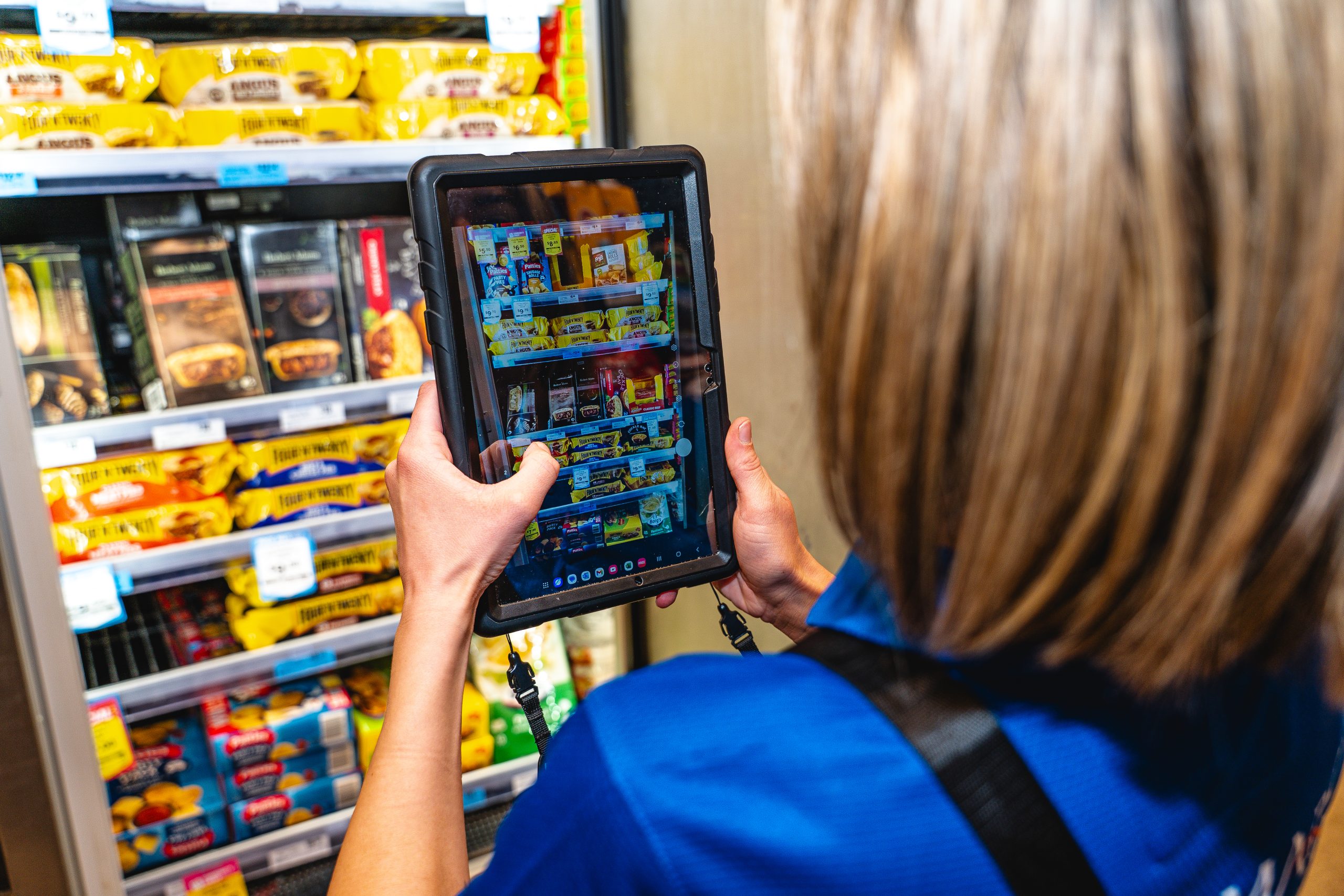
This is where field teams can add value. Store-level conditions often explain what the data alone misses. A plan might look sound on paper but fail because the space is wrong, the stock has not arrived, the shopper mission is different, or a local event has changed demand. The faster retailers and brands can see those issues, the faster they can respond.
Service will need to be more targeted
Labour pressure will continue to shape the retail experience. Retailers will need to manage wage costs, availability, training and productivity, while shoppers will still expect help when the decision calls for it.
That does not mean every store needs more people on the floor. It means service needs to be used where it has the most impact.
In low-consideration categories, shoppers may prefer to self-serve. In categories such as health, beauty, technology, appliances, hardware, baby and pet, the right advice can change the outcome. A short conversation, a product demonstration or a clear recommendation can move a shopper from interest to purchase.
For brands, this creates room to support retailers with training, demonstrations, assisted selling, brand ambassadors and field education. For retailers, it means being clearer about where human support improves conversion and where the experience can be simplified.
What it means for brands and retailers
The Australian retail experience in 2026 will be shaped by shoppers who are cautious, informed and selective.
They will look for value, but not always the lowest price. They will use technology before they shop, then rely on the store to confirm the decision. They will still respond to discovery, provided it feels relevant. They will value service when it helps them make a better choice.
For retailers, the priority is to make stores easier to shop and easier to act in.
For brands, the priority is to show up with clearer value, stronger visibility, better education and consistent execution.
The best results will come when the two are aligned. Retailers set the environment. Brands help make the offer clear, available and compelling at store level. When the plan, space, message and execution work together, the store gives shoppers what they are looking for: confidence to buy.